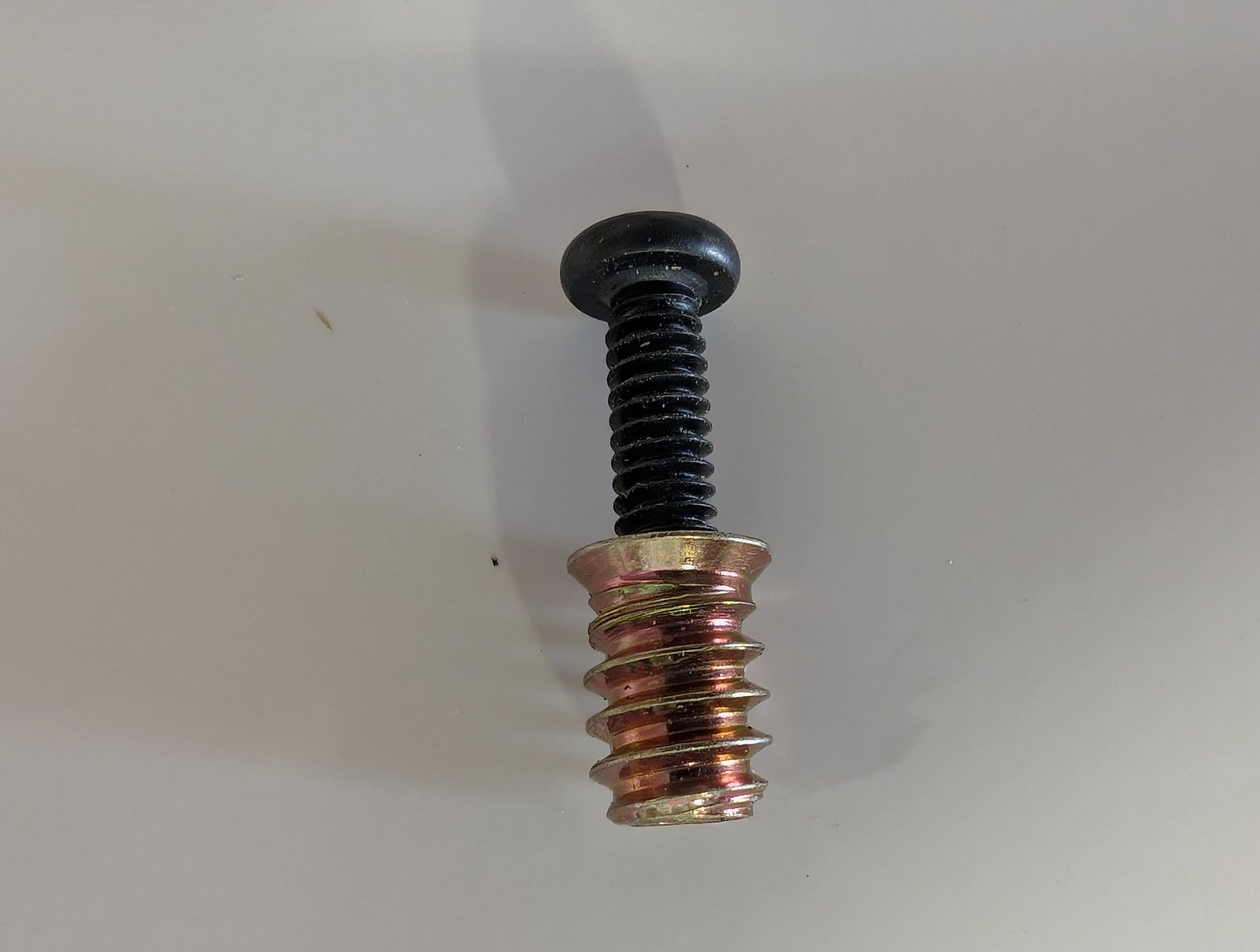
These threaded wood inserts are furniture-grade 1/4-20 hardware that install into drilled pilot holes to create a durable, reusable metal thread inside wood, available in 25/32″ and 19/32″ lengths to match different panel thicknesses.
This post contains affiliate links. We may earn a commission from qualifying purchases at no extra cost to you.
Why Threaded Wood Inserts Beat Regular Wood Screws
Regular wood screws driven directly into softwood or plywood tend to strip out after a few removals, especially in removable furniture panels and storage box lids. Threaded wood inserts solve that problem by embedding a hardened metal thread permanently into the wood itself, so a matching bolt can be removed and reinstalled dozens of times without ever loosening the surrounding material.
This makes them ideal for truck bed builds, DIY furniture, and any project where a panel might need to come apart again for maintenance, cleaning, or a redesign down the road.
How to Install Threaded Wood Inserts the Right Way
Installing threaded wood inserts starts with the pilot-hole size specified for the exact insert and wood type. Test the fit in scrap material first, then use the recommended driver to screw the insert into place. Do not use a heat-set installation method for a screw-in wood insert. Keep the insert square to the surface as it goes in, since installing it at an angle can crack the surrounding wood or leave the internal threads misaligned with the bolt.
Once seated, remove the installation tool and thread the matching bolt in by hand to check engagement. If the bolt binds, check alignment and thread size before tightening. Follow the insert maker’s guidance for hole depth and installation; E-Z LOK’s wood-insert guide provides an example for its screw-in products.
Which Projects Benefit Most From Threaded Wood Inserts
Truck bed platform builds, rear seat delete panels, storage box lids, and any other project where a bolted panel gets removed and reinstalled repeatedly are all great candidates for threaded wood inserts. They also work well in furniture assembly, workbench tops, and cabinet hardware, anywhere a wood screw alone would eventually wear out its hold.
Because the 1/4-20 thread size matches common hardware store bolts, you can source replacement bolts locally in stainless, zinc, or black oxide finishes to match the rest of a build, and keeping a few spare threaded wood inserts on hand makes future repairs or modifications quick instead of requiring a full re-drill.
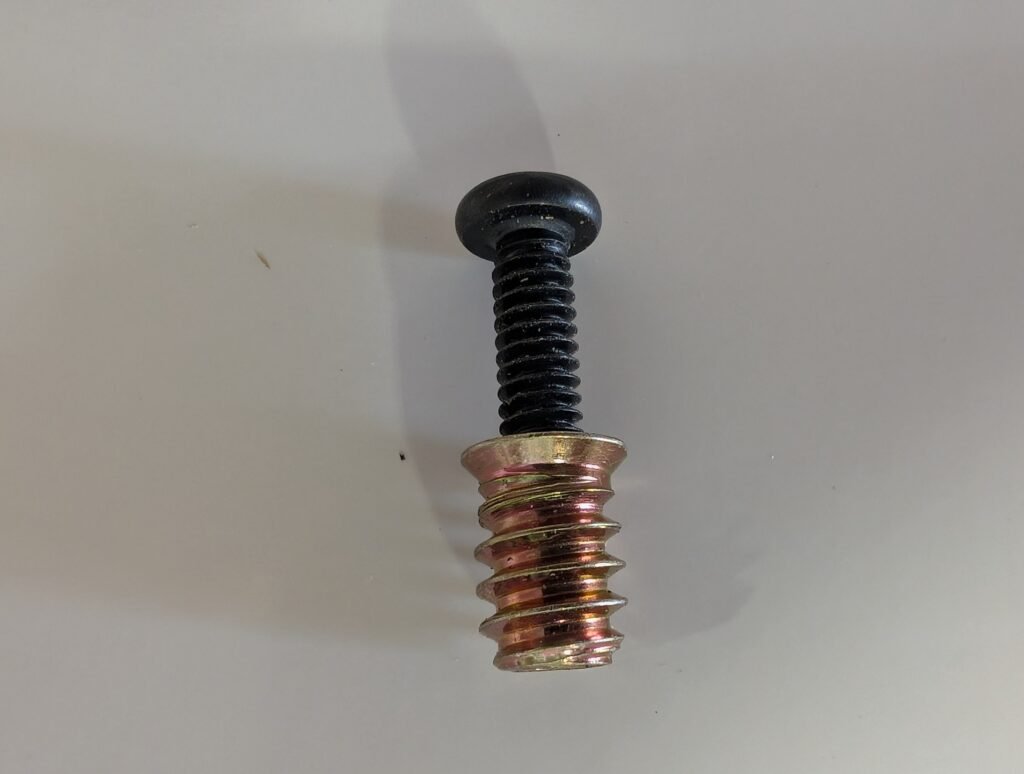
Threaded Wood Inserts vs. T-Nuts and Weld Nuts
T-nuts and weld nuts are two other common ways to add a metal thread to a project, but each has trade-offs that threaded wood inserts avoid. A T-nut relies on prongs biting into the back face of the wood, which can pull loose under repeated stress or vibration, especially in a moving vehicle. A weld nut needs a metal surface and a welder, ruling it out for wood or fiberglass panels entirely.
Threaded wood inserts, by contrast, thread directly into the wood fibers themselves, distributing load along the entire length of the insert rather than relying on a thin flange, but the strength of the joint still depends on the wood, hole preparation, insert design, and loading. Furniture hardware should not be treated as a rated seat or restraint anchor.
When shopping for threaded wood inserts, double-check the thread size (1/4-20 is the most common for furniture and truck accessories), the outer diameter needed for your pilot hole, and whether you want the knife-thread style that self-taps in with a hex key or a press-in style specifically designed for your material. Buying a small variety pack the first time lets you test fit before committing to a full set for a build. Most hardware stores and online retailers carry threaded wood inserts in small multi-packs, making it easy and affordable to stock up for several projects at once.
Featured In this blog post
https://myclassiccarblog.com/diy-ford-f-150-rear-seat-delete-platform-build/